
When you hear the word rat or see a rat what is your first thought or reaction. If you’re like me you might think of Remy from Ratatouille or that special rat friend in your life. For other people, they might be thinking about an animal with beady eyes and naked tail that lurks in the subway and trash. Like everyone else in the world we have prejudices to many things and animals; from pigeons to roaches. The animal that has the worst reputation, especially if you’re in the city, is the rat.
For my kindergarten and first grade group, I tried to simplify the definition of prejudice and came up with: not liking someone or something for no good reason.
The two examples I used were:
- Cathy hates all dogs because when she was little she was bit by one. (Just because someone had one negative experience with someone, it is unfair to make a generalization with all the members of that group. Animals can bite or scratched because they are scared or hurt. Some dogs can be super friendly!)
- Adam says that all vegetables (or vegan food) taste bad but he has never tried it before. (To have a final negative judgement without even tasting it is also unfair. Just like a judge in a court room, it is important to have an open-mind to avoid biases.)
I asked my students what they know about rats and together we came up with a list of prejudices: are ugly, scary, brown, steals food, eats trash, bites people.
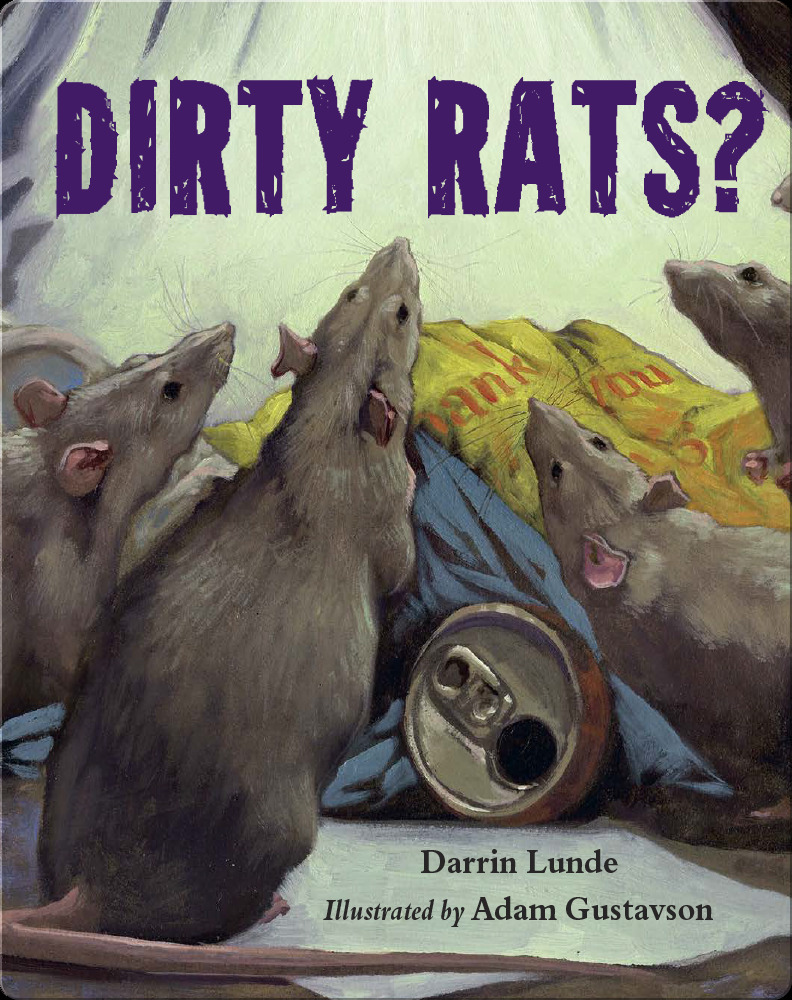
After reading Dirty Rats? by Darrin Lunde, we created a new list about rats: they are cute, can be different colors, helps plant seed, can eat all different types of food like bamboo, and they help people. They also learned because of the misconception, rats have to struggle everyday just to survive; which they felt bad about. The next days kids were able to learn more about rats. They got to meet and pet Miss Honey and learn how smart and affectionate pet rats can be.
Having a class with primarily Asian Americans, I made sure to also talk about the prejudges against AAPI community during the pandemic. When we make prejudices on things and people we do a lot of harm. Grown ups need to be careful about how they act and talk when they are around young people. They absorb so much of what we do and say that they inherit our prejudices which adds on to the cycle of hate and discrimination. Doing small things like referring animals to “her,” “she,” or “they” rather than “it” can make a big impact on how we can get people to look at animals in a new positive way. So next time don’t say “yuck” and don’t say “eww,” just say rats “we love you!”
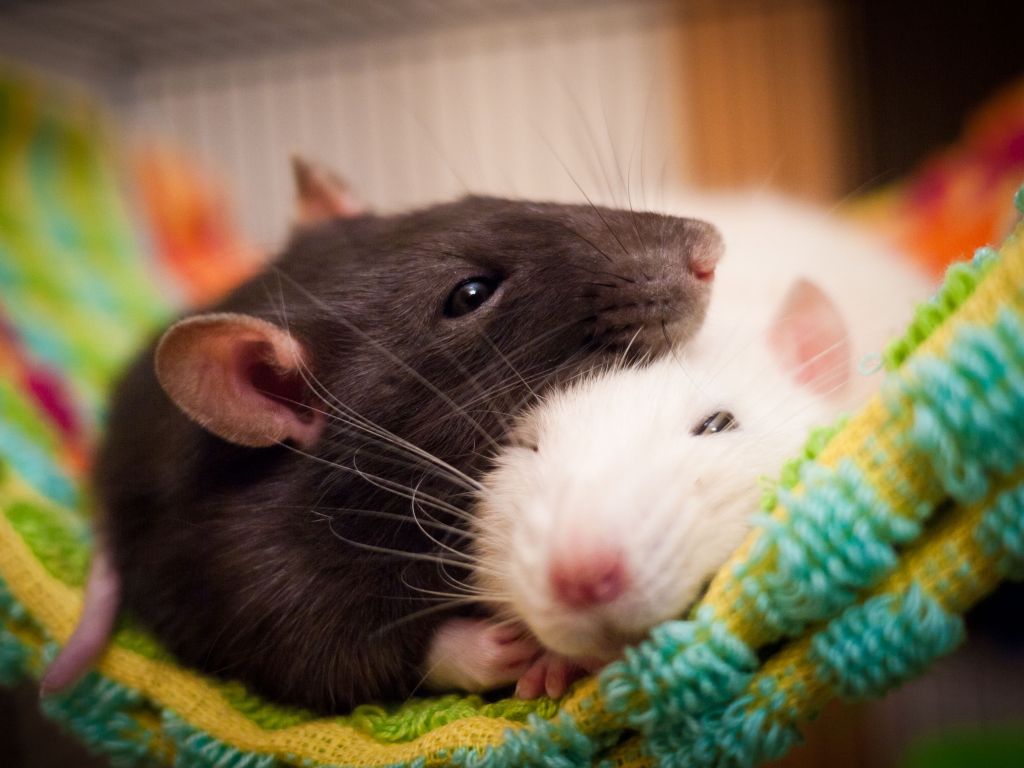
 Han and Friends